
In today’s interconnected world, the supply chain is a network of constant communication and data exchange between suppliers, partners, and vendors. At the heart of this system lies sensitive information particularly contact data such as names, addresses, phone numbers, and email addresses.
This personal contact data is crucial for ensuring smooth transactions and collaborations across the supply chain. But what happens when this data gets exposed to unauthorized access or cybercriminals?
The risks are severe identity theft, fraudulent activities, and even reputation damage for the businesses involved. As supply chains become increasingly digital, the need to protect this data has never been more urgent.
When supplier and partner contact data is exposed or misused, businesses face not only privacy violations but also legal repercussions, especially with stringent data protection regulations like GDPR and CCPA in place.
Therefore, protecting sensitive contact data is not just a business best practice; it is an absolute necessity for maintaining trust, ensuring compliance, and securing operations.
In this section, we will explore why contact data protection is crucial for modern supply chains and how OneRep’s privacy protection tools, integrated with ShipChain, provide a comprehensive solution to safeguard this sensitive information.
In today’s interconnected world, protecting sensitive data like contact information is crucial. Learn more about how digital supply chains are evolving and why data protection is becoming even more important in our article on The Future of Digital Supply Chains.
📌 The Risks of Exposing Supplier and Partner Contact Data ⚠️💥
Exposing sensitive contact information within the supply chain can lead to a host of serious risks, not just for the company involved but for its entire network of partners, suppliers, and customers. The interconnected nature of modern supply chains means that one data breach can have far-reaching consequences.
🔹1. Identity Theft and Fraud
When personal contact data like phone numbers, email addresses, or physical addresses is exposed, it can be used for identity theft.
Cybercriminals can target individuals in the supply chain, using phishing attacks, fraudulent transactions, or social engineering tactics to steal money or sensitive data. Vendors, suppliers, and employees are often unaware of these risks until it’s too late.

🔹2. Phishing Attacks and Social Engineering
With contact information publicly available, hackers can craft convincing phishing emails or SMS scams, posing as trusted suppliers or partners.
By tricking employees into clicking on malicious links or giving away confidential information, attackers can compromise internal systems, resulting in financial and operational losses.
🔹3. Reputation Damage
Data breaches not only lead to financial consequences but can also damage a company’s reputation. Suppliers and partners are more likely to withdraw from business relationships with companies that fail to protect their sensitive information.
This can lead to a loss of business, reduced trust, and long-term reputational harm.
🔹4. Legal and Compliance Risks
In many jurisdictions, failure to protect personal contact data can result in severe legal consequences.
Data protection regulations, such as GDPR in Europe and CCPA in California, require companies to protect personal data or face hefty fines and penalties.
Supply chains that don’t adequately secure contact information expose themselves to the risk of lawsuits and compliance violations.
🔹5. Loss of Business Continuity
When sensitive contact data is exposed, the ability to securely communicate and collaborate with suppliers and partners is compromised.
This disrupts normal business operations, delays shipments, and creates operational bottlenecks, ultimately leading to revenue loss and customer dissatisfaction.
The consequences of exposing supplier and partner contact data are far-reaching, highlighting the need for robust protection and proactive measures to secure this critical information.
📌 The Role of OneRep in Safeguarding Sensitive Contact Information 🛡️🔍
OneRep plays a crucial role in protecting personal and sensitive data within the supply chain ecosystem, particularly supplier and partner contact information. In a landscape where data breaches and exposure are constant threats, OneRep provides businesses with a comprehensive solution to safeguard and secure sensitive personal data.
Here’s how OneRep works to protect supplier and partner contact data:
1. Automated Scanning for Exposed Data
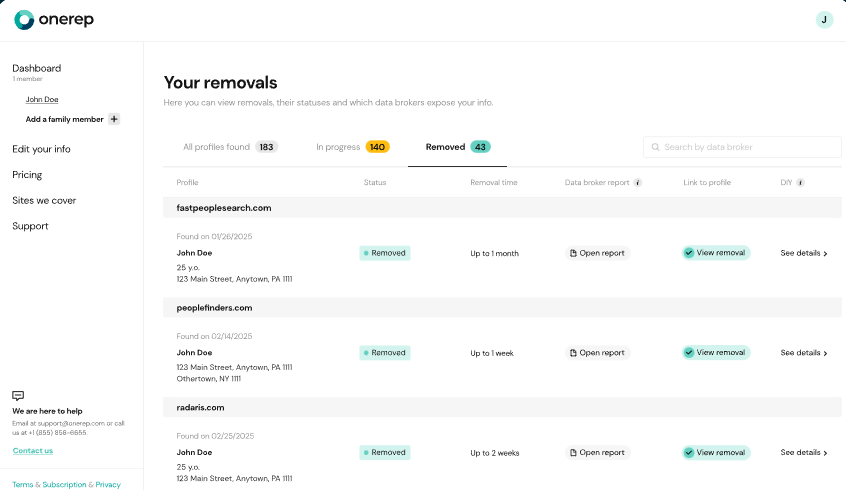
OneRep’s automated service constantly scans public sources like people-search websites, social media platforms, and data brokers to detect any exposed personal information, such as phone numbers, email addresses, and home addresses. The tool doesn’t just identify exposed data it also tracks where this data is being listed or sold.
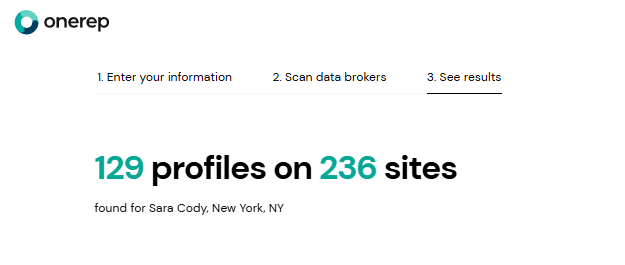
By regularly scanning the internet, OneRep ensures that supplier and partner contact details are not left exposed to malicious actors or unauthorized third parties.
2. Continuous Removal of Exposed Data
Once OneRep detects exposed data, it automatically takes action to remove it from these public platforms. Whether it’s through opt-out forms, deletion requests, or automated submissions, OneRep helps ensure that personal information is no longer publicly visible.
This continuous data removal process allows businesses to stay ahead of potential threats, keeping contact information safe from identity theft, phishing attacks, and fraud.
3. Protecting the Supply Chain Network
OneRep’s focus on protecting contact information helps reduce social-engineering attacks targeting the employees, suppliers, or partners in the supply chain. Since cybercriminals often rely on personal information to craft convincing phishing emails or targeted scams, minimizing publicly accessible data significantly reduces the likelihood of successful attacks.
By protecting sensitive contact data from exposure, OneRep minimizes the risk of data theft and ensures that the integrity of the supply chain is maintained.
4. Ensuring Privacy Compliance
With data protection laws such as GDPR and CCPA becoming stricter, businesses must ensure that personal data is properly protected and managed. OneRep not only helps businesses protect personal information but also ensures that privacy compliance is met. By removing data from public databases, OneRep assists companies in maintaining compliance with international data privacy regulations.
5. Providing Real-Time Updates and Alerts
OneRep offers businesses real-time updates and alerts about exposed data within their network. If supplier or partner contact details are exposed, businesses receive notifications and can take immediate action to secure the information. This proactive approach ensures that privacy risks are mitigated before they become larger problems.
📌 How ShipChain Enhances Data Security in the Supply Chain 🔒🚚
As ShipChain facilitates end-to-end supply chain management, it handles vast amounts of data every day. From shipment tracking and inventory management to real-time delivery updates, the platform is built to provide complete visibility across the entire supply chain.
However, with so much operational data in circulation, protecting sensitive supplier and partner contact data is essential to prevent breaches and unauthorized access.
Here’s how ShipChain ensures data security:
🔹1. Real-Time Tracking with Secure Data Sharing
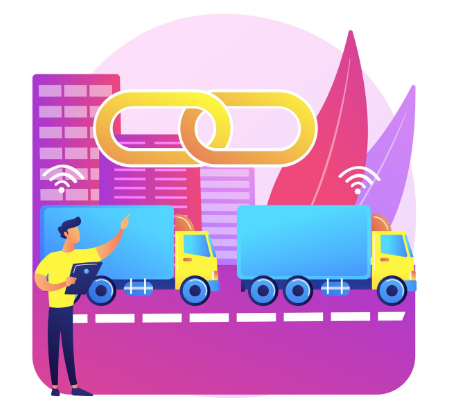
ShipChain offers real-time tracking of shipments, allowing businesses to monitor goods from the warehouse to the customer.
This process involves the constant exchange of shipment details, customer information, and supplier contacts.
ShipChain ensures that all data exchanges are encrypted and transmitted securely through API integrations and cloud-based solutions.
This means that sensitive information like contact data is not vulnerable to interception by unauthorized parties.
🔹2. Role-Based Access Control (RBAC)
To ensure that sensitive data, including partner contact information, is only accessible by authorized individuals, ShipChain uses role-based access control (RBAC). This system allows businesses to set specific permissions for different users within the platform, ensuring that only the right stakeholders can access certain types of data.
For example, a warehouse manager may have access to inventory data but not to partner contact details, while an account manager can view both financial and contact data but not shipment tracking details. By carefully defining access controls, ShipChain minimizes the risk of internal data breaches.
🔹3. Encrypted Data Storage and Transmission
All data stored and transmitted via ShipChain is protected using industry-standard encryption. This ensures that contact data, order information, and other sensitive details are safeguarded from unauthorized access, both during transmission and when at rest on the platform’s secure servers.
By employing advanced encryption protocols, ShipChain ensures that even if data is intercepted, it remains unreadable and secure.
🔹4. Integrating OneRep for Enhanced Privacy Protection
While ShipChain excels at protecting operational data, integrating OneRep into the platform’s workflow strengthens its ability to protect personal data such as supplier contact details. OneRep’s automated process of detecting and removing personal information from public databases reduces the exposure risk of sensitive data, making it more difficult for cybercriminals to target employees or partners with social engineering attacks.
When both ShipChain and OneRep work in tandem, they provide a comprehensive security solution that addresses both operational data and privacy concerns.
🔹5. Compliance with Data Privacy Regulations
Compliance with global data privacy regulations like GDPR and CCPA is a non-negotiable aspect of modern supply chain operations. ShipChain’s data security measures, combined with OneRep’s privacy protection features, help businesses stay compliant with privacy laws that require strict control over the storage and sharing of personal data.
By integrating these tools, businesses not only ensure privacy compliance but also strengthen their legal standing and avoid penalties related to improper handling of sensitive data.
📌 Key Benefits of Protecting Supplier and Partner Contact Data 💼🔐
Protecting supplier and partner contact data in the supply chain offers several crucial benefits that help businesses avoid security threats, build trust, and ensure smooth operations.
1. Reduced Risk of Cyberattacks
By securing sensitive contact information, businesses reduce the risk of phishing attacks, fraud, and identity theft, protecting their partners and employees from malicious cyber threats.
2. Enhanced Trust and Transparency
When businesses take steps to protect sensitive data, it strengthens trust among partners and suppliers. This transparency fosters long-term relationships and encourages further collaboration within the supply chain.
3. Compliance with Privacy Laws
By ensuring that contact data is protected, businesses can comply with privacy laws like GDPR and CCPA, avoiding legal penalties and maintaining a reputation for data integrity.
3. Compliance with Privacy Laws
By ensuring that contact data is protected, businesses can comply with privacy laws like GDPR and CCPA, avoiding legal penalties and maintaining a reputation for data integrity.
5. Protection of Business Continuity
By preventing data exposure, businesses protect their operations from disruptions, ensuring that supply chain communications remain intact and reliable.
6. Preventing Financial Loss
Data breaches and exposed contact information can lead to significant financial losses through fraudulent transactions, legal fees, or compensation claims. By securing sensitive data, businesses avoid these costly consequences and protect their bottom line.
📌 Conclusion – Building a Secure and Trustworthy Supply Chain Network 🌟🔒
In today’s rapidly evolving digital landscape, protecting sensitive supplier and partner contact data is not just a necessity it’s a competitive advantage.
With ShipChain’s robust data management and OneRep’s privacy protection, businesses can ensure that personal data remains secure while optimizing supply chain operations.
By integrating these tools, companies can:
- Minimize data breach risks and cybersecurity threats.
- Ensure compliance with global privacy regulations like GDPR and CCPA.
- Foster trust and transparency across their supply chain network.
- Enhance business continuity and operational efficiency.
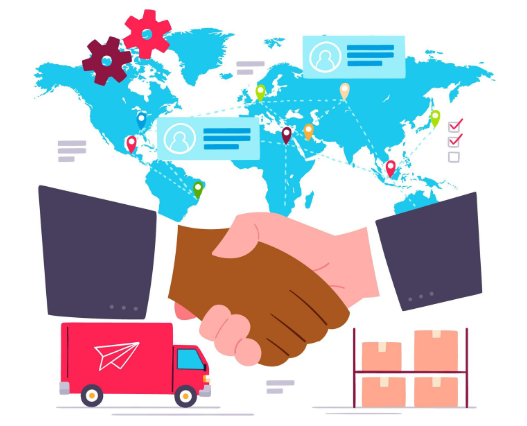
Ultimately, protecting contact data is about more than just data security it’s about creating a secure, reliable, and trustworthy supply chain that can grow and evolve in today’s competitive marketplace.
“RELATED ARTICLES”
- Manual vs Automated Personal Data Removal Process Explained
- Why Data Privacy Matters in Supply Chains: ShipChain+OneRep
📌 FAQs
1. What types of data are considered sensitive in supply chains?
Answer: Sensitive data in supply chains includes personal contact information, financial data, supplier details, shipping addresses, and employee records all of which must be protected from unauthorized access.
2. How does OneRep help businesses stay compliant with data privacy laws?
Answer: OneRep helps businesses stay compliant by automatically removing personal data from public databases, ensuring that GDPR and CCPA requirements are met and reducing legal risks related to data exposure.
3. Can ShipChain prevent data breaches within its platform?
Answer: Yes, ShipChain uses encryption, role-based access control, and secure data transmission to protect sensitive operational data and ensure that personal contact details within the supply chain are kept secure.
4. Why is role-based access control (RBAC) important in supply chain security?
Answer: RBAC ensures that only authorized personnel have access to specific sensitive data within the supply chain, minimizing the risk of internal breaches and unauthorized access.
5. What are the consequences of not protecting supplier contact information?
Answer: Failing to protect supplier contact information can lead to cyberattacks, reputation damage, legal penalties, and operational disruptions, all of which can harm business relationships and affect the supply chain’s success.

Chris Fryer is a seasoned leader in the logistics and supply chain industry, known for his pioneering work in integrating blockchain and AI into global supply chain solutions. With more than 15 years of experience, Chris has played a key role in transforming freight tracking, delivery processes, and overall supply chain efficiency.
His expertise lies in leveraging cutting-edge technologies to drive innovation and sustainability within the logistics sector. Through his vision, he has helped shape a future where smarter, more transparent systems enhance supply chain management across industries worldwide. Chris remains dedicated to advancing the future of logistics through continuous technological advancements.