
In recent years, supply chain fraud has become a major concern for businesses across industries, with fraudsters increasingly exploiting vulnerabilities to steal sensitive data or cause financial losses.
In fact, a 2020 report found that supply chain fraud costs businesses approximately $1 trillion annually. From invoice fraud to vendor impersonation, fraudsters are using more sophisticated methods to infiltrate supply chains and manipulate critical data.
One often-overlooked vulnerability is contact data specifically, the personal contact information of employees, vendors, and suppliers within the supply chain network.
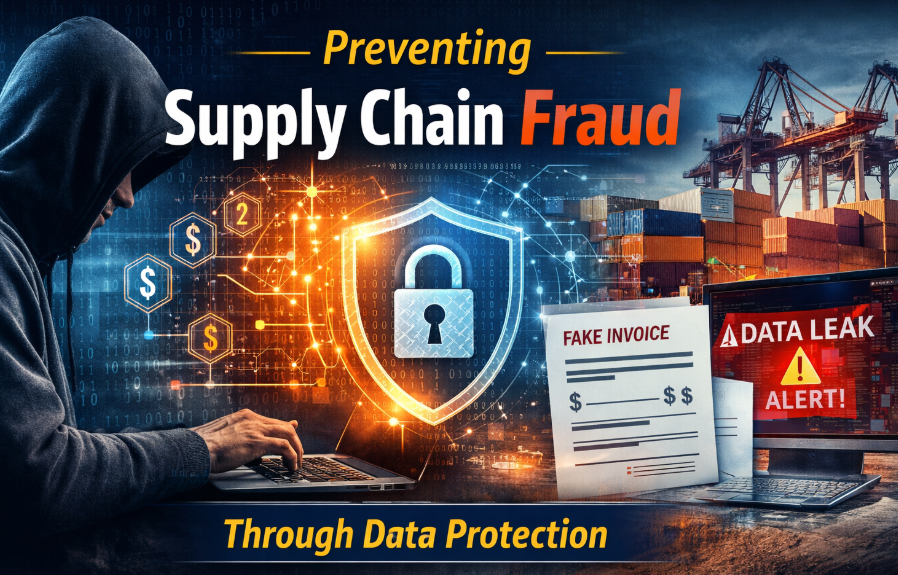
Fraudsters target this data because it provides a direct link to individuals who have access to valuable operational data, financial systems, and payment instructions.
Personal information, such as email addresses, phone numbers, and social media profiles, can be used to trick employees into revealing sensitive company data or making fraudulent payments.
In this article, we’ll explore the dual vulnerability of business data and personal data in the context of supply chain fraud prevention.
We’ll provide real-world fraud scenarios and actionable steps for businesses to protect their operations.
Through tools like ShipChain’s SCM platform and OneRep’s personal data removal service, companies can secure both operational data and employee personal data, minimizing the risk of fraud and building a more secure, resilient supply chain.
2. Real-World Contact Data Breach Scenarios 💥🔐
Understanding the severity of contact data breaches through real-world examples is critical for grasping the impact on a business. These scenarios illustrate how exposed contact data can be leveraged by fraudsters to execute large-scale attacks.

Case 1: Vendor Impersonation Leading to $500K Loss
A global retailer was deceived when fraudsters impersonated a trusted supplier and sent a fake invoice for $500,000. The attackers used stolen contact data vendor email addresses, phone numbers, and even bank account details that had been harvested from public company directories.
The finance team, believing the invoice was legitimate, approved the payment to the fraudster’s altered bank account.
The fraud wasn’t discovered until three weeks later, when the vendor in question reported that they hadn’t received the payment. By that time, the fraudulent payment had already been processed.
The company suffered a massive financial loss, and their relationship with suppliers was severely damaged. The retailer also faced reputational harm as partners and suppliers became wary of future transactions.
Case 2: Partner Data Sold on Dark Web
A logistics provider discovered that personal details of key employees, including contact numbers, email addresses, and job titles, were exposed and sold on the dark web.
This data was scraped from publicly accessible sources like company websites and social media profiles. Fraudsters used this personal data to conduct spear-phishing attacks on the provider’s finance team.
The attackers sent fraudulent emails requesting immediate payment for an order, posing as legitimate business partners.
The company lost over $200,000 before realizing the fraud. The exposed data also led to an increase in targeted cyberattacks, affecting the company’s ongoing operations and trust with clients.
Case 3: Social Engineering Attack on Logistics Coordinator
A logistics coordinator at a major e-commerce company was the victim of a social engineering attack. The fraudsters used publicly available data scraped from LinkedIn to gather information about the employee’s role and responsibilities.
They then impersonated the company’s CEO, sending a convincing phishing email that requested the logistics coordinator to provide shipment tracking information and initiate a payment transfer.
The fraudster used details from the coordinator’s profile to make the email seem credible. Fortunately, the employee caught the mistake in time, but the company still faced significant disruption and had to revise their internal communication protocols to prevent future attacks.
For example, technologies like blockchain are being explored to help reduce fraud by creating immutable transaction records and better transparency across supply networks a concept explored in detail in discussions around supply chain fraud and blockchain.
3. How Attackers Find Supplier Contact Data 🔎👥
Fraudsters rely on multiple techniques to uncover sensitive supplier contact data, which they use for impersonation, phishing, and vendor fraud. Here’s a deeper dive into the primary ways fraudsters find this information:
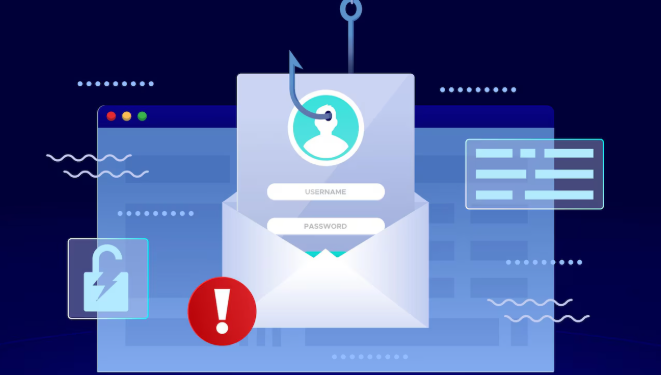
1. Data Broker Sites
Fraudsters use data broker sites like Spokeo, Whitepages, and PeopleFinder to gather personal details about suppliers and their employees.
These platforms aggregate public records and offer fraudsters easy access to sensitive data such as phone numbers, addresses, and emails. Once attackers have this information, they can begin crafting phishing attacks or impersonating legitimate vendors or suppliers.
2. LinkedIn Scraping
LinkedIn is a highly valuable resource for fraudsters. They can scrape profiles of individuals in supply chain roles such as procurement officers, warehouse managers, or logistics coordinators to obtain contact details, job titles, and professional connections.
By gathering this information, fraudsters can target specific individuals in the organization who have access to critical data and financial systems.
3. Email Harvesting
Email harvesting refers to the automated collection of email addresses from websites, blogs, and business directories. Fraudsters use bots to crawl these platforms and collect emails that are often tied to key personnel within supply chains.
Once they have a list of emails, they can send phishing or spear-phishing emails that look legitimate, ultimately leading to fraudulent activities.
4. Public Company Directories
Many companies list their staff directories on their websites or in public company databases. These directories contain employee names, roles, and contact details that fraudsters can use to target specific employees.
Once attackers have these details, they can initiate social engineering attacks, posing as trusted colleagues or suppliers to gain access to sensitive company information.
4. Audit Your Current Exposure 🔍⚠️
Regularly auditing where your contact data is exposed is essential to identify vulnerabilities and mitigate risk. Here’s how to audit your current exposure to sensitive data:
🔹Check These 5 Sites for Your Team’s Data:
- Spokeo
- Whitepages
- PeopleFinder
- Pipl
🔹What to Look For:
- Exposed Email Addresses:
Are any team members’ emails publicly visible? This is one of the easiest ways for fraudsters to target employees. - Outdated Contact Information:
Is there any old contact data that could lead to confusion or exploitation by fraudsters? - Personal Information:
Look for family details, personal phone numbers, and addresses that could be used for impersonation attacks or phishing scams.
🔹Risk Assessment Matrix:
- High Risk: Data found on public websites or people-search platforms.
- Moderate Risk: Outdated contact details on LinkedIn profiles or company directories.
- Low Risk: No publicly available personal data or sensitive information exposed online.
5. Protection Implementation Guide 🔒✅
To prevent supply chain fraud, businesses must implement strong security measures that protect both business operational data and personal contact data. Here’s a step-by-step guide on how to secure these two crucial data types.
Step 1: Identify High-Risk Contacts
The first step is to identify which contacts in your supply chain are most vulnerable. Focus on employees who have access to sensitive information like procurement managers, warehouse coordinators, finance officers, and executives. These roles are often targeted due to the level of sensitive business data they handle.
Vendor contacts are also at high risk. Ensure that supplier personnel who handle financial transactions or contracts are properly protected.
Step 2: Set Up OneRep Monitoring
OneRep is an automated personal data removal service that continuously scans public data broker sites and removes exposed personal contact information.
By using OneRep, you can monitor your team’s contact data exposure on over 200 websites where personal information is often sold or shared.
To integrate OneRep into your data protection strategy:
- Set up alerts to notify you whenever personal data is exposed.
- Automate removal requests for any sensitive data found on these public platforms.
Regular monitoring ensures that any new data exposure is quickly addressed, reducing the risk of fraudulent activities linked to social engineering and impersonation.
Step 3: Configure ShipChain Access Controls
ShipChain’s SCM platform provides businesses with real-time tracking of shipments, inventory, and financial transactions. However, managing this data requires strict access control to prevent unauthorized access.
Configure ShipChain’s access controls to:
- Limit access to sensitive data (e.g., financial records, supplier contact info) based on user roles.
- Enable audit trails that track who accessed data, when, and for what purpose.
- Use multi-factor authentication (MFA) to add an extra layer of protection when accessing ShipChain.
Ensure that only authorized personnel can access sensitive vendor details and shipping information, reducing the risk of insider threats.
Step 4: Train Team on Secure Sharing
Human error is one of the leading causes of data breaches. To prevent this, it’s crucial to train your employees on secure communication practices:
- Do not share sensitive data (contact details, payment info) via unsecured channels (e.g., personal emails, unencrypted platforms).
- Recognize phishing emails and fraudulent communications. Train employees to spot imposter emails, vendor fraud, and social engineering attempts.
- Encourage the use of secure communication platforms and encryption for sharing sensitive information across the supply chain.

Step 5: Create Verification Protocols
When dealing with sensitive transactions or changes in payment instructions, always verify the authenticity of the request through multiple channels:
- Confirm any changes to banking details or payment requests with the vendor or partner through a secure phone call.
- Set up a multi-step verification process for sensitive operations like invoicing, payments, and contract updates.
These protocols help prevent fraudsters from exploiting gaps in verification and authenticity within the supply chain.
For a deeper look at how data privacy and security are foundational to modern SCM systems beyond basic access controls see this comprehensive overview of security practices in supply chain management systems.
6. Vendor Onboarding Security Checklist ✅📝
When onboarding new vendors, it’s important to collect only the necessary contact data and store it securely. Here’s a security checklist for vendor onboarding:
🔹What Contact Data to Collect (Minimum Necessary):
- Vendor name and company name
- Primary contact email address and phone number
- Shipping address (if applicable)
Ensure that unnecessary personal information (like family details or personal social media accounts) is not collected.
🔹How to Store It Securely in ShipChain:
- Use encrypted storage for all sensitive contact details.
- Enable role-based access controls to limit access to vendor data based on job responsibilities.
- Regularly audit data access and track any unauthorized attempts.
🔹When to Use OneRep Protection:
After collecting vendor contact information, run it through OneRep to check for any exposed personal data and request removal. OneRep ensures that no personal data related to your vendors gets exposed on public databases, minimizing the risk of vendor impersonation and other fraud tactics.
7. When Contact Data Gets Exposed: Response Plan ⚠️📞
If contact data is exposed or compromised, it’s essential to have a well-defined response plan to limit the impact. Here’s what you need to do:
1️⃣ Immediate Actions:
- Investigate the breach: Determine the exact nature of the data exposure what type of contact data was affected (email addresses, phone numbers, etc.), and how it was exposed.
- Isolate the breach: If the exposure occurred through email accounts or company systems, immediately secure those accounts and contain the threat.
2️⃣ Notification Process:
- Notify affected parties:
If vendor or employee data was compromised, inform them about the breach and provide steps they can take to protect themselves. - Alert regulatory bodies:
For businesses operating under GDPR or CCPA, you must notify regulatory bodies about the breach within a specific time frame. - Internal communication:
Alert all teams, especially those involved in procurement, finance, and security, so they can implement mitigation steps.
3️⃣ Damage Control Steps:
- Offer fraud protection services to affected employees (e.g., credit monitoring, identity theft protection).
- Review security protocols to prevent similar breaches in the future.
- Reset passwords and ensure that all company systems are updated and protected with strong security measures.
8. Conclusion – Securing Your Supply Chain from Fraud 🏁🔒
Supply chain fraud is a serious threat, but businesses can significantly reduce their risks by securing contact data.
By protecting both business operational data and personal employee data, companies can prevent a wide range of fraud tactics, including invoice redirection, vendor impersonation, and phishing attacks.
Using tools like ShipChain for SCM security and OneRep for personal data protection, companies can create a comprehensive data protection strategy that addresses both vulnerabilities.
The key to fraud prevention is a proactive approach identifying risks, implementing protective measures, and continuously monitoring for potential threats.
“RELATED ARTICLES”
- Protecting Supplier Contact Data Across the Supply Chain
- Why Data Privacy Matters in Supply Chains: ShipChain+OneRep
9. FAQs 💡❓
Q: How do fraudsters find personal information about supply chain staff?
Answer: Fraudsters often scrape publicly available data from data broker sites, LinkedIn, and company directories, which they then use to conduct social engineering attacks.
Q: Is personal data removal legal?
Answer: Yes, services like OneRep are legal and help remove personal data from publicly accessible sites, ensuring your employees’ personal information is not exposed to fraudsters.
Q: How does this differ from GDPR/CCPA compliance?
Answer: GDPR/CCPA mandates how businesses must protect personal data, while OneRep offers a proactive approach by removing exposed personal data from public sites, reducing fraud risks.
Q: What’s the ROI of investing in data protection?
Answer: The ROI of data protection is significant investing in data security reduces financial losses, fraud risks, and reputation damage, ensuring long-term business growth and sustainability.

Chris Fryer is a seasoned leader in the logistics and supply chain industry, known for his pioneering work in integrating blockchain and AI into global supply chain solutions. With more than 15 years of experience, Chris has played a key role in transforming freight tracking, delivery processes, and overall supply chain efficiency.
His expertise lies in leveraging cutting-edge technologies to drive innovation and sustainability within the logistics sector. Through his vision, he has helped shape a future where smarter, more transparent systems enhance supply chain management across industries worldwide. Chris remains dedicated to advancing the future of logistics through continuous technological advancements.