
Have you ever searched your own name on Google and found personal details you never shared publicly like an old address, phone number, or names of relatives? 🤔
If yes, you’re not alone and you’re in the right place.
People-search sites quietly collect and publish personal information using public records, online databases, and third-party data sources.
Many beginners assume, “If I didn’t post it myself, how did it end up online?” but that assumption is exactly where online privacy starts to break down ⚠️
After years of researching how these platforms work, one thing is clear: you don’t need to be famous, careless, or highly active online to lose control of your personal data. Everyday individuals, families, freelancers, and business owners are all affected often without realizing it.
In this beginner-friendly guide, you’ll learn:
- What people-search sites really are 🧩
- Why your personal information appears on them
- How this impacts your online privacy in real life
No technical jargon. No repeated step-by-step removal processes. Just clear, honest information to help you understand the problem first.
Let’s start with the basics because awareness is always the first step toward protecting your online privacy 🔐
1️⃣ What Are People-Search Sites? 🔍🧩
People-search sites are websites that collect and display personal information about individuals and make it searchable online. These platforms are often marketed as tools for “finding people,” “background lookups,” or “public records search,” but their core function is data aggregation and publication.
1. How People-Search Sites Work 🧠
These sites do not usually create new data. Instead, they:
- Collect information from public records (property records, voter rolls, court filings)
- Purchase or license data from commercial sources (marketing databases, service providers)
- Pull metadata from online activity and past transactions
- Combine multiple data points into a single, searchable profile
Over time, small pieces of information from different sources are merged to form detailed personal profiles.
2. What Makes Them Different from Search Engines 🌐
People-search sites are not the same as Google or Bing:
- Search engines index content from across the web
- People-search sites host the data themselves
- Removing a Google result does not remove the data from a people-search site
This is why personal information can remain accessible even after search results are hidden.
3. Why They Are So Common 📊
There are hundreds of people-search sites, ranging from large well-known platforms to small regional databases. Many of them share data with each other, which allows information to spread quickly across the ecosystem.
Once your data appears on one site, it often surfaces on many others sometimes with variations, outdated details, or incorrect associations.
4. Why Beginners Often Miss Them ⚠️
Most beginners don’t know these sites exist because:
- They don’t appear obvious in everyday browsing
- Their names don’t clearly signal data collection
- Information looks “official,” making it feel unavoidable
Understanding what people-search sites are is the first step toward understanding why online privacy is more complex than it seems and why awareness matters before taking action 🛡️.

People-search sites are platforms that collect and display personal information from public records, online directories, and third-party data brokers. These sites often organize data in ways that make previously scattered details quickly searchable, even if you never directly shared that information yourself. For a clear overview of what people-finder sites are and how they work, you can refer to this explanation from AAA’s informational guide on people-finder sites.
2️⃣ Why Your Personal Information Appears on These Sites
Your data ends up on people-search sites through automated aggregation from public records and commercial sources, often without your consent or awareness.
Voter registrations, property deeds, court filings, and utility records feed government databases that data brokers like Acxiom purchase in bulk and resell to sites like Spokeo or TruthFinder.
Social media posts, online directories, and data breaches further amplify this, as algorithms match and update profiles in real-time 😱.
🔹Key Data Sources
- Public Records: Addresses, relatives from voter rolls/DMV (60% of data).
- Data Brokers: Emails/phones from retailers/utilities.
- Social Scraping: Public profiles on Facebook/LinkedIn.
- Breaches: Hacked info from dark web scans.
| Source | Info Exposed | Update Speed |
|---|---|---|
| Public Records | Addresses, legal history | Monthly |
| Brokers | Income estimates, emails | Weekly |
| Social Media | Photos, connections | Daily |
🔹The Recirculation Problem
Opt out once? Data reappears via broker loops FTC notes 90% resurgence in 6 months. Life events (moves, marriages) trigger refreshes 🚨.
🔹Why It Happens
$5B industry profits from free teasers to paid reports; U.S. laws keep public data flowing freely.
Quick Check: Google your name + city for exposure.
Limit sharing and opt-out regularly to stem the flow 🔒.
3️⃣ What Kind of Data People-Search Sites Usually Expose
People-search sites compile and expose an extensive range of personal details, transforming fragmented public records into comprehensive, searchable profiles that often surprise users with their depth.
Core basics include full names, current and previous addresses, landline/mobile phone numbers, and associated email addresses, frequently cross-linked to family members or known associates for added context.
Advanced reports delve into sensitive areas such as criminal backgrounds, marriage and divorce records, property ownership histories, employment timelines, and even estimated household income or net worth estimates.
📌 Breakdown of Exposed Data Categories
These platforms organize information into accessible tiers free searches tease highlights, while subscriptions reveal full dossiers. Common exposures include:
| Category | Specific Data Points | Typical Sources |
|---|---|---|
| Contact Fundamentals | Phones, emails, address histories (10+ years) | Voter registrations, phone directories, utility filings |
| Family & Social Networks | Spouses, children, parents, neighbors, associates | Marriage records, census data, social connections |
| Legal & Court Records | Arrests, convictions, lawsuits, bankruptcies, liens | County/state court databases, federal dockets |
| Financial & Asset Details | Home values, vehicle registrations, estimated wealth | Property tax assessors, DMV records |
| Life Events | Birth/death dates, wedding anniversaries, photos | Vital statistics offices, public yearbooks, DMV IDs |
| Professional & Online | Job titles, LinkedIn profiles, usernames | Business licenses, scraped social media |
Visuals like mugshots, profile photos from driver’s licenses, or social media images often accompany text, creating vivid snapshots. 😱
📌 Real Examples from Leading U.S. Sites

Top platforms pull from massive U.S.-centric databases:
- TruthFinder: Uncovers criminal histories, traffic violations, and dark web mentions across 200+ billion records.
- Spokeo: Delivers “wealth indexes” (e.g., “upper-middle class”) based on address/income correlations from 14 billion+ entries.
- BeenVerified/Intelius: Includes relatives’ details, sex offender checks, and even hunting licenses or concealed carry permits.
- Free Tiers (FastPeopleSearch, TruePeopleSearch): Still expose 5-15 relatives, multiple addresses, and age/DOB without payment.
🚨 U.S.-Specific Note: Federal FOIA and state sunshine laws ensure court/property data flows freely, fueling these profiles nationwide.
📌 How Deep It Goes in 2026
Modern AI enhancements now infer lifestyle details like fitness levels from linked gym memberships or political leanings from voter affiliations while vehicle VINs enable tracking histories. Partial SSNs from breaches or old public filings heighten identity theft vulnerabilities.
📌 Fast Self-Check for Exposure
Enter your name + city on sites like Radaris or Whitepages Premium profiles often list 3-10 past addresses and 4+ relatives instantly 🔍. Family linkages mean one exposure ripples outward.
This data trove powers the sites’ value but erodes privacy. Proactive opt-outs and data minimization are essential defenses 🔒.
4️⃣ Why People-Search Sites Are a Privacy Risk ⚠️🔐
At first glance, people-search sites may seem harmless. They often present themselves as convenience tools for reconnecting with others or accessing public information. The real privacy risk emerges when you understand how easily this information can be misused once it’s centralized and publicly accessible.
🔹Centralized Profiles Increase Exposure 🧠
Individually, many data points are not dangerous. The risk comes from aggregation:
- Name, address, phone number, and relatives appear in one place
- Historical data fills in gaps about your past
- Anyone can access this information without your knowledge
This creates a ready-made profile that removes friction for misuse.
🔹Enables Social Engineering and Fraud 🎭
When attackers have access to:
- Your address history
- Names of family members
- Approximate age and location
They can craft highly convincing scams, impersonation attempts, or phishing messages. The information looks “legitimate” because it is often accurate or close enough.
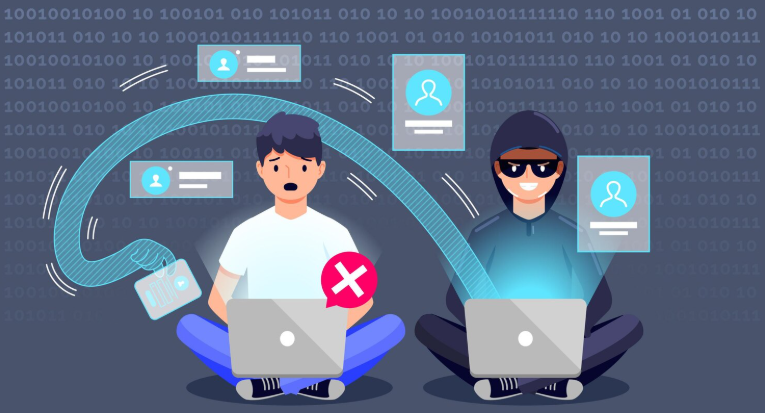
🔹Loss of Context and Consent 🚫
People-search sites publish data:
- Without notifying you
- Without verifying accuracy with you
- Without context about how or why the data exists
This means outdated or incorrect information can follow you indefinitely, affecting personal safety or reputation.
🔹Increased Risk for Certain Individuals 🛡️
The risk is higher for:
- Business owners and executives
- Professionals with public-facing roles
- Individuals who have experienced harassment or stalking
For these groups, easy access to personal details can escalate from inconvenience to real-world risk.
🔹Difficult to Track Who Accesses Your Data 👁️
Unlike social platforms, people-search sites do not show:
- Who viewed your profile
- How often your data is accessed
- Where your data is shared next
This lack of visibility removes your ability to assess or manage risk proactively.
🔹Why Beginners Often Underestimate the Risk ⚠️
Because the data is “public,” many people assume it’s harmless. In reality, public availability does not equal low risk. The danger lies in how easily information can be collected, copied, and reused without limits.
Understanding these risks is essential before believing common misconceptions about online privacy which many beginners unknowingly accept.
5️⃣ Common Myths About Online Privacy (That Beginners Believe) ❌
When it comes to online privacy, many beginners feel safe not because they’re protected, but because they believe a few common myths. These assumptions are understandable, but they often create a false sense of security.
Let’s clear up the most common ones 👇
Myth 1: “I’m not famous, so no one would look me up.”
Reality: People-search sites don’t target celebrities they index everyone. Ordinary individuals are actually more exposed because they rarely monitor their online presence.
Myth 2: “If I didn’t post it online, it can’t be online.”
Reality: Much of your data comes from public records, registrations, and third-party databases not from your social media posts.
Myth 3: “Only tech-savvy people are at risk.”
Reality: The opposite is often true. People with less awareness are easier targets because they don’t know what information is publicly visible.

Myth 4: “Old or incorrect data doesn’t matter.”
Reality: Even outdated information can be useful for scams, identity verification tricks, or social engineering attacks.
Myth 5: “Privacy settings alone are enough.”
Reality: Social media privacy controls don’t affect people-search sites. These platforms operate outside your account settings 🚫
The biggest misconception of all?
👉 Thinking privacy loss requires a mistake.
In most cases, it happens simply by participating in everyday digital life.
Understanding these myths is important because once you stop relying on assumptions, you can start making informed decisions about your online privacy.
6️⃣ Can You Really Control Your Online Information?
Yes, you can exert partial control over your online information on people-search sites, but full erasure remains elusive due to data recirculation and legal limits in the U.S. Opt-out processes allow removals from individual sites like Spokeo or BeenVerified, yet brokers continuously repopulate profiles from public sources. Persistent efforts combined with preventive habits offer the best defense, though expect ongoing maintenance rather than a one-time fix 🔒.
1. Opt-Out Reality: Possible but Imperfect
Most U.S. sites provide removal forms, often requiring email/phone verification. Success rates hover at 70-80% initially, but FTC data shows resurgence in 3-6 months for 85% of cases as fresh voter/property records feed back in.
| Control Method | How It Works | Limitations |
|---|---|---|
| Manual Opt-Outs | Submit per site (e.g., TruthFinder form) | Time-consuming; 100+ sites to cover |
| Automation Services | DeleteMe/PrivacyDuck handle 50-150 sites | $100-200/year; not 100% effective |
| State Laws | California’s CCPA/Deletion Act mandates response | Varies by state; no federal standard |
| Credit Freezes | Blocks SSN misuse via Equifax/etc. | Doesn’t touch addresses/phones |
| Data Minimization | Limit public shares upfront | Prevents future exposure only |
🚨 Pro Tip: Document submissions with timestamps resubmit if profiles reappear.
2. Step-by-Step Control Guide
- Audit Exposure: Search your name on FastPeopleSearch, Whitepages—list all hits 🔍.
- Prioritize Big Sites: Opt out from top 10 (Intelius, Spokeo, BeenVerified) first.
- Verify Removal: Re-search after 30 days; use incognito mode.
- Lock Down Sources: Opt out of voter roll mailings; privatize social media.
- Monitor Quarterly: Set calendar alerts for HaveIBeenPwned checks.
Paid services scan deeper, emailing updates on reappearances—ideal for busy users.
3. Legal Landscape in the U.S.
No nationwide “right to be forgotten” exists, unlike EU GDPR. California’s AB 1355 (2025) forces 30-day deletions for residents; NY/Virginia offer data access rights. FTC guidelines pressure voluntary compliance, but enforcement lags sites exploit loopholes. Class actions against non-compliant platforms (e.g., 2024 Spokeo suit) signal change.
4. Preventive Strategies for Long-Term Control
- Social Lockdown: Set profiles to private; remove real-name public posts.
- Alias Usage: Use middle initials or nicknames on forms.
- Public Records Opt-Outs: Request non-public voter status where available.
- Browser Tools: uBlock Origin blocks trackers feeding brokers.
✅ Effectiveness Stats: Users combining opt-outs + minimization reduce profiles by 60-75% long-term.
5. Challenges and Realistic Expectations
Control falters against breaches or family linkages—one relative’s exposure chains to you. AI matching now bypasses name changes. Still, consistent action shrinks your digital shadow significantly 😎.
True control blends reaction (opt-outs) with proaction (less data input). Start small: Remove from 3 sites today for immediate wins 🔒.

7️⃣ First Things Beginners Should Understand About Protecting Online Privacy 🔐
Protecting online privacy can feel overwhelming at first, especially after learning how people-search sites work. The key is to start with the right understanding, not rushed actions.
Below are the most important principles every beginner should grasp before taking the next step.
🔹Privacy Is Not All-or-Nothing 🧩
One of the biggest mistakes beginners make is thinking privacy means completely disappearing from the internet. That’s unrealistic in today’s digital world.
Online privacy is about reducing exposure, not erasing your identity. Even small improvements like limiting how much data is publicly visible can significantly lower risk over time.
🔹Awareness Comes Before Action 👀
Before using any tools or services, it’s essential to understand:
- What type of personal data is commonly exposed
- How that data is collected and reused
- Why it often appears without direct consent
Without awareness, privacy actions become guesswork. With awareness, every decision becomes intentional and effective.
🔹Privacy Protection Is an Ongoing Process 🔁
Many beginners expect a one-time fix. In reality, personal data is constantly re-collected and redistributed through public records and data brokers.
That’s why privacy should be viewed as continuous maintenance, not a single task. Long-term protection requires monitoring, review, and adjustment over time.
🔹Convenience Often Trades Off with Privacy ⚠️
Free services, quick sign-ups, and online forms often collect more data than necessary. Beginners should learn to pause and ask:
- Is this information really required?
- Can I limit what I share?
- Is there a privacy-friendly alternative?
Being selective about data sharing is one of the simplest ways to reduce future exposure.
🔹The Real Goal Is Risk Reduction, Not Perfection 🎯
Perfect privacy doesn’t exist but smarter privacy does.
The real objective is to:
- Make personal data harder to find
- Reduce how complete public profiles appear
- Lower the chance of misuse or targeting
Once beginners adopt this mindset, protecting online privacy becomes practical, manageable, and far less stressful.

8️⃣ Conclusion: Awareness Is the First Step Toward Online Privacy 🔐🌱
For beginners, online privacy often feels overwhelming because personal data exposure is largely invisible until you look for it.
People-search sites make this exposure obvious but they are only a symptom of a much larger data ecosystem built on aggregation and reuse.
The most important takeaway is this: privacy starts with awareness, not removal. Understanding how your information appears online, what kind of data is exposed, and why it spreads gives you realistic control. Removal and protection efforts work best when they are informed, intentional, and ongoing.
You don’t need to disappear from the internet to protect your privacy.
Small, consistent steps combined with the right expectations can significantly reduce long-term risk. Awareness turns confusion into clarity, and clarity is what makes online privacy manageable 🛡️✨.
“RELATED ARTICLES”
- How the Personal Data Removal Process Works Step by Step
- Manual vs Automated Personal Data Removal Process Explained
FAQs ❓🔍
1. Are people-search sites legal?
Yes. Most operate legally by using public records and licensed commercial data.
2. Is my data online because it was hacked?
Usually no. Most exposure comes from legal data collection and aggregation.
3. Can I remove my information from all people-search sites?
You can reduce visibility, but complete and permanent removal is unrealistic.
4. Why does my information come back after removal?
Because sites refresh databases and ingest new data over time.
5. Does removing Google search results delete my data?
No. It only hides the link; the source data still exists.

Hi, I’m Nelson 👋 a content writer and reviewer with 6+ years of experience writing blogs, coupon guides, and detailed website reviews. I have a strong background in continuous learning and research, which helps me analyze platforms, tools, and websites in a structured and practical way 📚.
My content is based on real research, hands-on analysis, and accuracy, with a clear focus on simplicity, transparency, and user-first value. I aim to break down complex information into content that’s easy to understand and genuinely helpful for readers ✅.